



Focal therapy effectively treats men whose prostate cancer returns after radiotherapy with fewer side effects, says new study
A minimally invasive targeted treatment called salvage focal therapy, which targets just the cancerous area of the prostate, can treat men whose prostate cancer has recurred after radiotherapy with much fewer side effects and less impact on their quality of life, according to a new study.
Published in JAMA Oncology, the study by researchers at Imperial College London and Imperial College Healthcare NHS Trust has compared salvage focal therapy using either heat (high intensity focused ultrasound HIFU) or cold (cryotherapy) with full prostate removal (radical prostatectomy). It found focal therapy works just as well to treat the recurrent cancer, with much fewer complications.
Between 10,000 and 15,000 men in the UK receive radiotherapy for prostate cancer every year. Around a quarter of them will have their cancer recur within ten years - up to 4,500 men every year.
One of the treatments offered to these men includes surgical removal of the prostate (salvage radical prostatectomy) which comes with many side effects, such as long recovery, major complications, lifelong urinary incontinence and sexual dysfunction. Many opt to not have full surgery because of the side effects they might experience, so the outlook for these men is poor, with many not surviving beyond five years. Clinicians say that new treatment options are urgently needed for these men.
As effective at treating cancer, but with far fewer side effects
The research team compared survival and complication/ side effects data from 554 men in England who had focal therapy or a full prostatectomy between 2006 and 2024. They found:
- Salvage focal therapy was as effective as radical prostatectomy to treat the cancer - both have high rates of survival with most men (9 out of 10) being alive ten years after surgery
- Those having focal therapy to treat the cancerous areas within the prostate had between 9 and 24 times lower odds of minor and major complications than full prostate removal. One in 20 patients having salvage focal therapy had a complication compared to six in 10 of those having salvage radical prostatectomy
The researchers say the findings will have an immediate impact on frontline clinical care, as many NHS centres around the UK already offer focal therapy, including Imperial College Healthcare NHS Trust and it is also available in private centres.
Dr Alexander Light, urology registrar and NIHR Doctoral Fellow at Imperial College London and at Imperial College Healthcare NHS Trust said: “Radiotherapy is one of the most common treatments for prostate cancer, with over 10,000 men having this treatment every year. Sadly, up to one third of these men may develop a recurrence of their cancer and many will die from it if not treated. Traditionally their treatment options have been very limited - they can have medical castration (to stop the body producing testosterone) with hormonal therapy or major surgery to remove the whole prostate. But these are also very invasive.”
He continues: “This study shows salvage focal therapy is just as effective as these more radical and invasive options, but also has much fewer side effects. This means we now have a treatment that maintains quality of life for patients whilst controlling the cancer. Patients have a short procedure in hospital and can go home the same day. They are up walking, eating and in minimal discomfort and are generally able to get on with most of their normal activities. Fewer side effects means men will have a better quality of life – and they can return to work sooner, which also lessens the burden on family and friends.”
Lead researcher and consultant urologist Dr Taimur Shah from Imperial College London and Imperial College Healthcare NHS Trust said: “This study provides long term comparative data and vital evidence to show salvage focal therapy works, and will hopefully lead to NICE guidelines being updated so clinicians know how best to treat this cohort of men. As well as being the best way to treat prostate cancer when it recurs, focal therapy could potentially save money for the NHS because it reduces the need for very expensive drugs or toxic chemotherapy if the cancer spreads.”
He added: “Focal therapy is already available on the NHS and privately, with centres such as Charing Cross Hospital in London already offering the treatment alongside other centres in the capital (UCLH) and around the country (Southampton, Basingstoke, Brighton, Newcastle, Northampton, Bath, Kings Lynn). Patients can speak with their prostate doctor or GP for a referral to their nearest centre to get treatment. If their local hospital is unable to give the treatment, they may be able to be referred to another hospital in the country.”
Focal therapy has made my life better – Steve’s story
Steve Bannister’s story illustrates exactly why this research matters.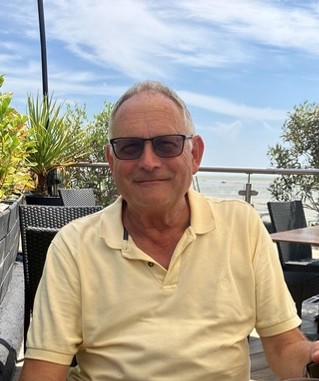
Now 73, retired builder Steve was first diagnosed with prostate cancer in 2005, when he was in his early 50s. He had locally advanced disease and he was initially given a bleak prognosis, potentially only a couple of years to live. Radiotherapy was offered as the best available option, and he received radical radiotherapy combined with hormone treatment – so he jumped at the chance and had this life-saving treatment.
Steve said: “I always knew there was a chance that the cancer could return in about five years or so. I had managed a really good run of more than 17 years but at a devastating personal cost. I developed severe long-term urinary and associated erectile function complications. These life-altering consequences significantly affected my quality of life, despite the cancer remaining under control for many years.”
In 2022, Steve’s PSA levels began to rise again, and he experienced groin pain once more. Investigations confirmed that his prostate cancer had returned but it remained confined to the prostate. He was offered further radical treatment by his local hospital - most likely major surgery, which carried a high risk of worsening his already challenging complications.
Steve was determined to explore alternatives, and thanks to Paul Sayer, founder of the leading focal treatment charity, Prost8 UK, he was persuaded to get seek further advice. Paul himself had successful focal treatment for his prostate cancer in 2018, and this led to him setting up the charity. Paul introduced Steve to consultant urologist Professor Hashim Ahmed at Imperial College Healthcare NHS Trust and Imperial College London, who is an international expert in focal therapy.
Rather than removing or treating the entire prostate, Professor Ahmed recommended salvage focal therapy, precisely targeting just the areas of recurrent cancer while sparing surrounding healthy tissue. Steve first underwent salvage cryotherapy in early 2022, followed by a further targeted salvage HIFU ablation in July 2024. This treatment has been completely successful, with no further recurrence to date, and far less serious consequences of the more radical treatments he otherwise faced.
Steve said: “I am eternally grateful to Professor Ahmed’s amazing team for leading the way with this highly effective salvage treatment option and enabling me to take advantage of it. My life is all the better for it, and I hope many more men from around the country are offered the same chance I was.”
Research at Imperial College Healthcare NHS Trust is supported by funding from the National Institute for Health and Care Research (NIHR) Imperial Biomedical Research Centre (BRC), a translational research partnership between Imperial College Healthcare NHS Trust and Imperial College London, which was awarded £95 million in 2022 to continue developing new experimental treatments and diagnostics for patients. The researchers were supported by grants from the National Institute for Health and Care Research (NIHR) and the Experimental Cancer Medicine Centres.
The full article is available online.
Find out more about the Trust's urology services


