Celebrating 75 years of the NHS

A timeline of research and innovation at Imperial College Healthcare NHS Trust

For decades, research and innovation at Imperial College Healthcare have helped shape modern medicine. This timeline traces the discoveries, trials, and technologies that continue to influence how care is delivered today and how it will evolve in the future.

Looking ahead

Our hospitals and people continue to lead research, innovation and improvement with local, national and global impact, working in partnership with our patients, partners and communities.

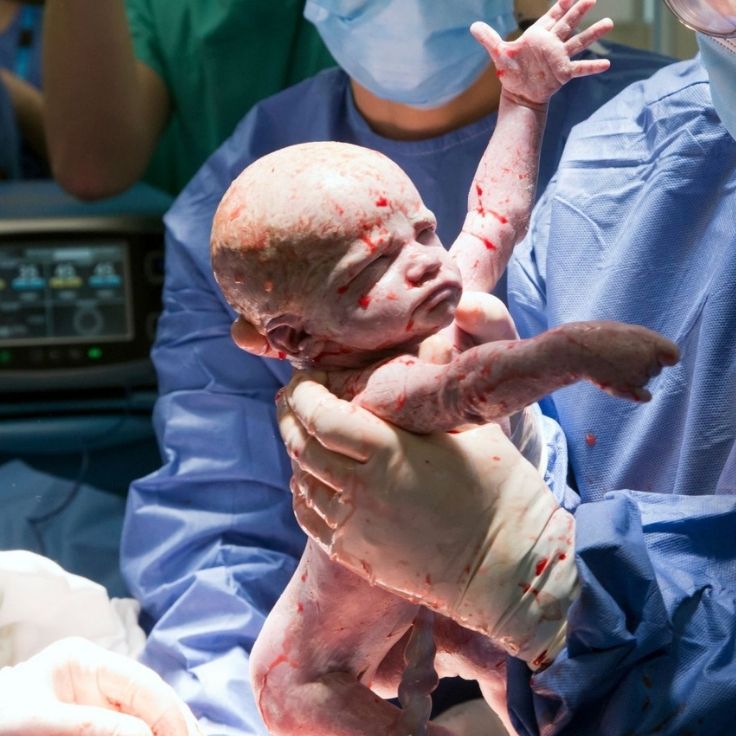
A UK-first! After over 25 years of research, a woman gave birth to a baby girl at Queen Charlotte’s & Chelsea Hospital following a womb transplant.

2025

First baby born of womb transplant

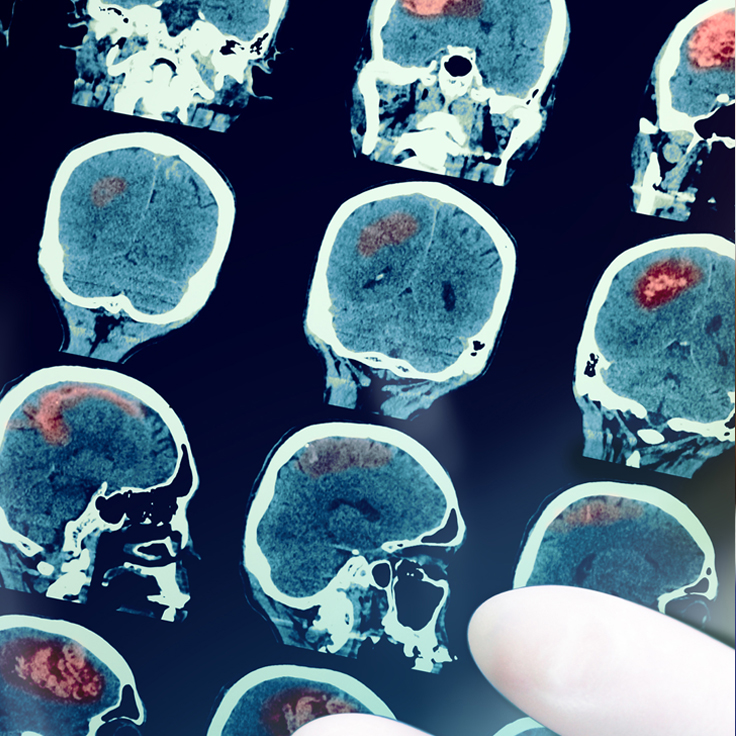
Our neurosurgery team introduced cutting-edge, mixed reality technology into parts of their day-to-day work to improve training and patient care. The technology allows clinicians and patients to view and interact with high-resolution 3D hologram-like images of patient scans, alongside traditional imaging techniques.
2024

We opened a new eyecare centre in north Paddington, which will provide an additional 10,000 appointments each year and work alongside our established eye care services at the Western Eye Hospital.

2024

We announced that the £42m TRANSFORM trial, jointly led by Imperial College Healthcare consultant, Professor Hashim Ahmed, will test new approaches to screen for prostate cancer that have the potential to reduce prostate cancer deaths by up to 40 per cent. It is the biggest trial in prostate cancer screening and diagnosis in over 20 years.

2024

The £9.4m North West London Elective Orthopaedic Centre based at Central Middlesex Hospital officially opened. The Centre is one of the first major developments of the North West London Acute Provider Collaborative, a partnership of four acute NHS trusts: Chelsea and Westminster Hospital, The Hillingdon Hospitals, Imperial College Healthcare and London North West University Healthcare.
2024

Red blood cells and DNA

Red blood cells and DNA

Patients at our Trust became the first in the UK to receive experimental mRNA therapy at the National Institute for Health and Care Research (NIHR) Imperial Clinical Research Facility at Hammersmith Hospital. This new therapy could help recognise and fight cancer cells.

2024

An international trial, led in the UK at the Trust, resulted in the world-first approval by the MHRA of a novel gene-editing treatment for sickle cell disease and beta thalassaemia developed by Vertex Pharmaceuticals and CRISPR Therapeutics.

2023

A joint Imperial College Healthcare and Oxford University Hospitals team performed the UK’s first womb transplant, giving a woman who was born without a functioning womb the possibility of carrying her own baby. This was the outcome of 25 years of hard work and research.

2023

Appeal to build The Fleming Centre is launched, with HRH Prince William announced as Patron. Due to open in 2028 to mark 100 years since the discovery of penicillin at St Mary's Hospital, the Centre is part of the wider Fleming Initiative, established jointly by Imperial College Healthcare and Imperial College London to find equitable solutions to antimicrobial resistance at a global scale.

2023

Fleming Centre

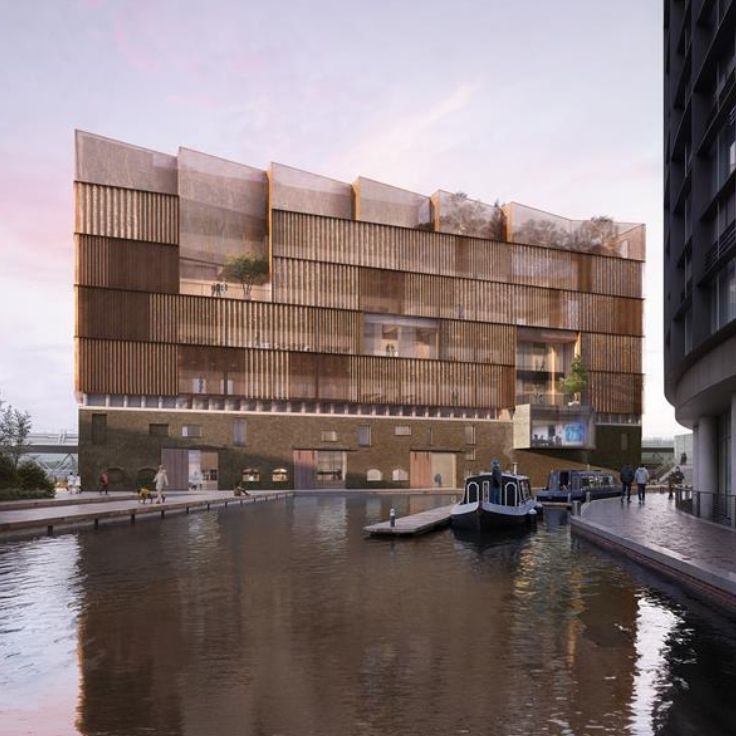
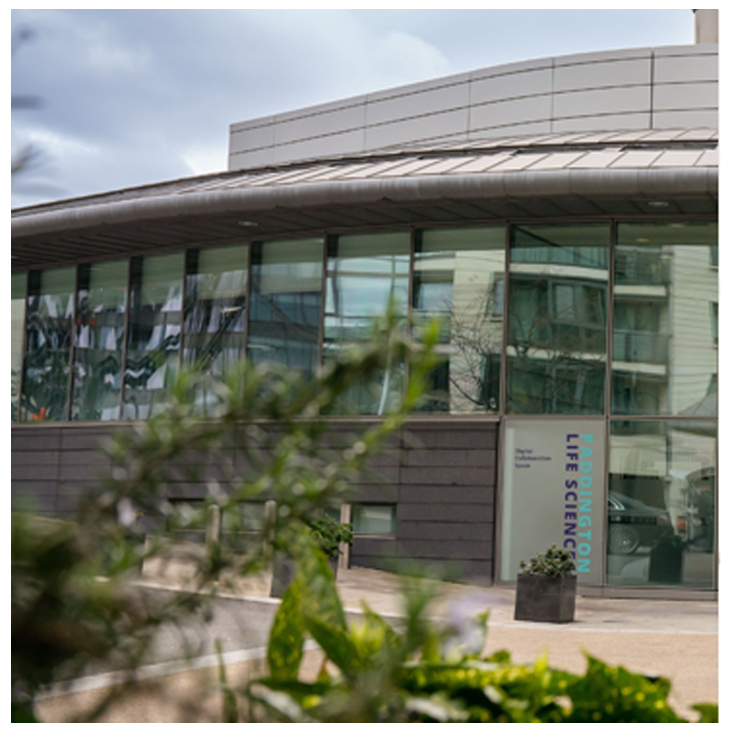
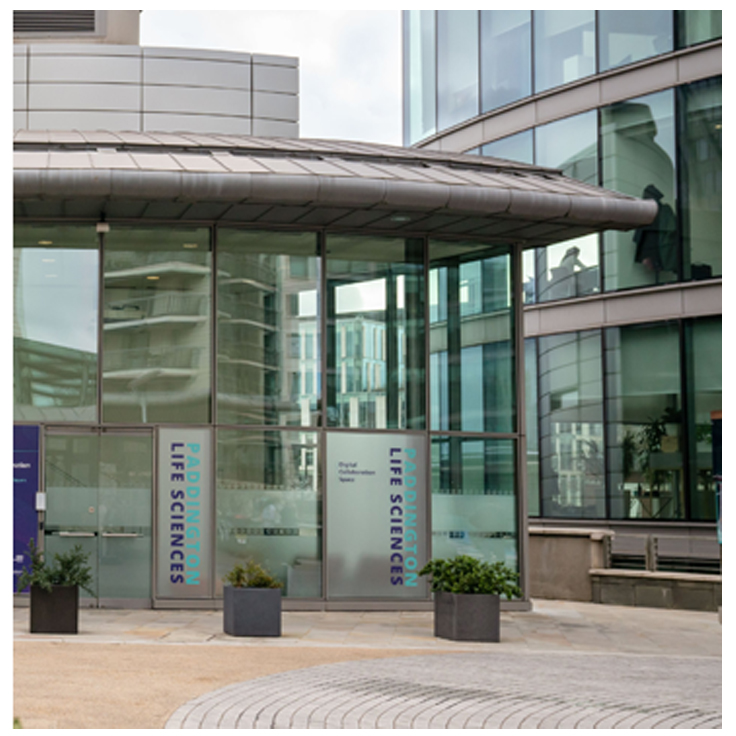
Launch of Paddington Life Sciences, a new life sciences cluster centred around St Mary's Hospital, building on growing partnerships with research, industry and our local community.

2022

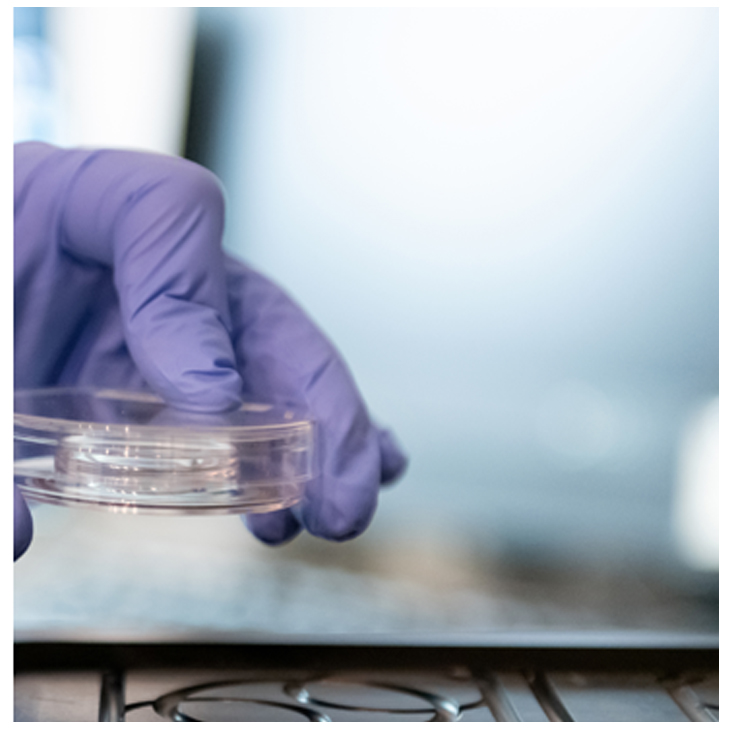
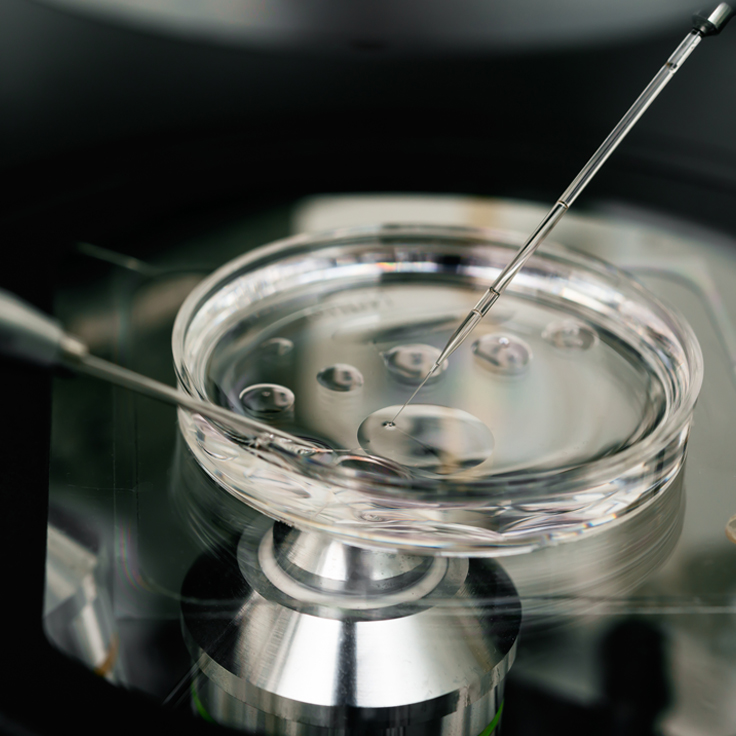
Petri dish1

Petri dish2

PLS1

PLS2

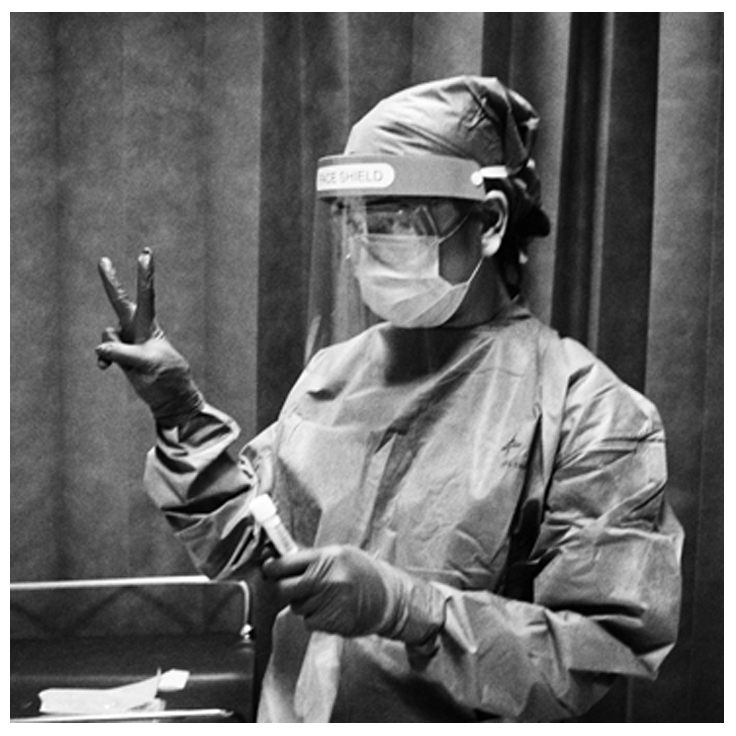
The Covid-19 pandemic begins - Anthony Gordon, critical care consultant at the Trust, leads the UK arm of one of the most influential Covid-19 treatment trials.and the NHS is instrumental in keeping people safe.

2020

Imperial's Biomedical Research Centre was awarded £95 million to develop and improve care for patients, the largest investments awarded to any BRC.

2022

Black and white photo of Clinician in PPE

In a UK first, focused ultrasound is used at Charing Cross to treat debilitating tremors, avoiding brain surgery.

2016

Petri dish

Imperial College Academic Health Science Centre expands, to include The Royal Marsden and Royal Brompton and Harefield NHS foundation trusts.

2016

Imperial Biomedical Research Centre and Imperial Health Charity launch the research fellowship awards to support non-medics at the Trust to undertake research.

2014

DNA3

DNA4

NHS Five Year Forward View published, settling out a vision for more integrated care.

2014

Doctor

Patient with child

The Trust leads one of a 13 genomic medicine centres established by NHS England to support the 100,000 Genome Project.

2014

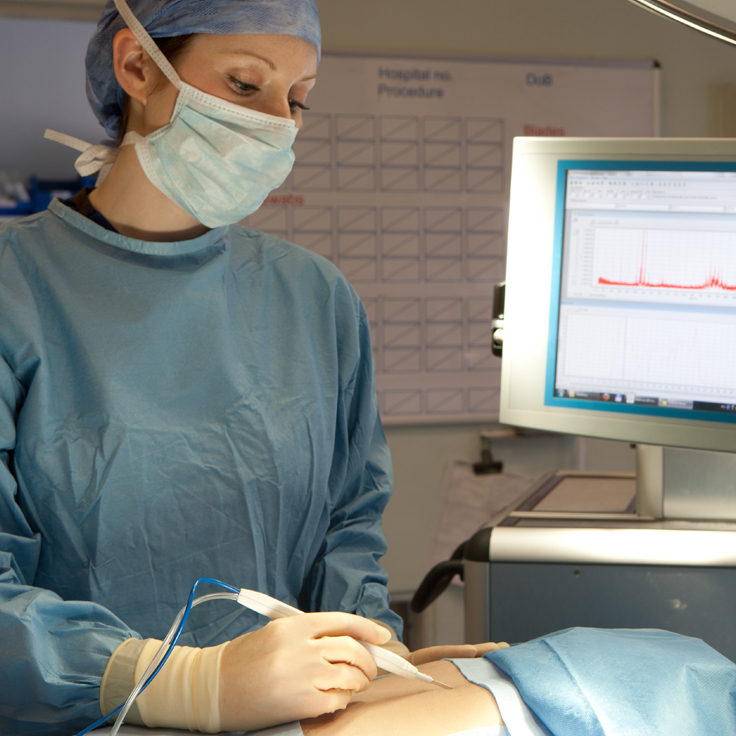
The iKnife, invented at Imperial College, is used in first trials to identify cancerous tissue in real-time during surgery in our hospitals.

2013

Doctor performing a scan

With academic partner Imperial College, the Trust becomes one of the UK's first academic health science centres.

2009

In a world first, high intensity ultrasound is used at Hammersmith Hospital to remove part of a patient's rectal tumour.

2009

The first virtual reality opthalmic simulator in the UK is unveiled at the Western Eye Hospital.

2006

Led by Professor Robert Winston the Institute of Reproductive and Developmental Biology opens at Hammersmith Hospital.

2002

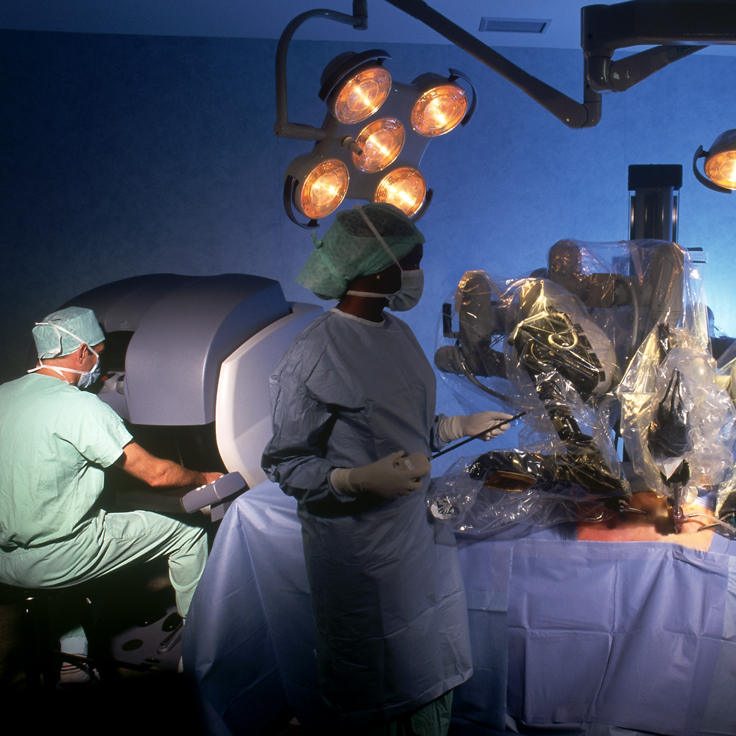
The Da Vinci robot is first used in the UK for heart surgery by Prof Lord Ara Darzi at St Mary's Hospital.

2001

Creation of NICE, the National Institute for Clinical Excellence (now National Institute for Health and Care Excellence).

1999

Operating theatre

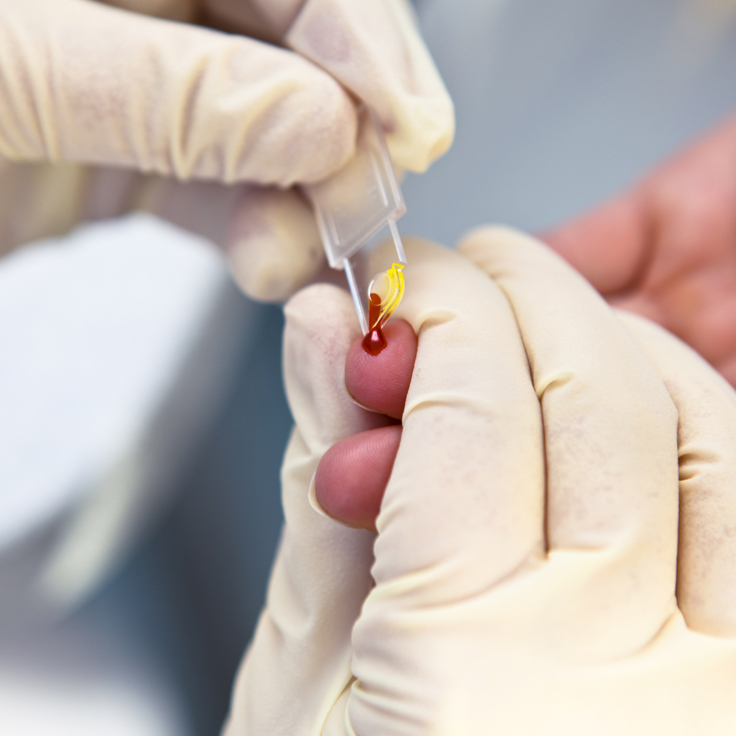
New HIV test is developed at Hammersmith Hospital.

1998

Blood prick test

Charing Cross and Westminster Medical School merges with Imperial College, The National Heart and Lung Institute and the Royal Postgraduate Medical School to form Imperial College School of Medicine.

1997

Former St Mary's Hospital consultant Prof John Collinge demonstrates that the new disease, variant CJD, is caused by the same prion strain as that causing BSE in cattle.

1996

First heart, lung, and liver transplant is carried out at Papworth Hospital.

1987

Charing Cross Hospital establishes one of two centres providing a national screening service for choriocarcinoma, a rare cancer linked to pregnancy.

1983

Ribbon1

MRI scan1

MRI scan2

Ribbon2

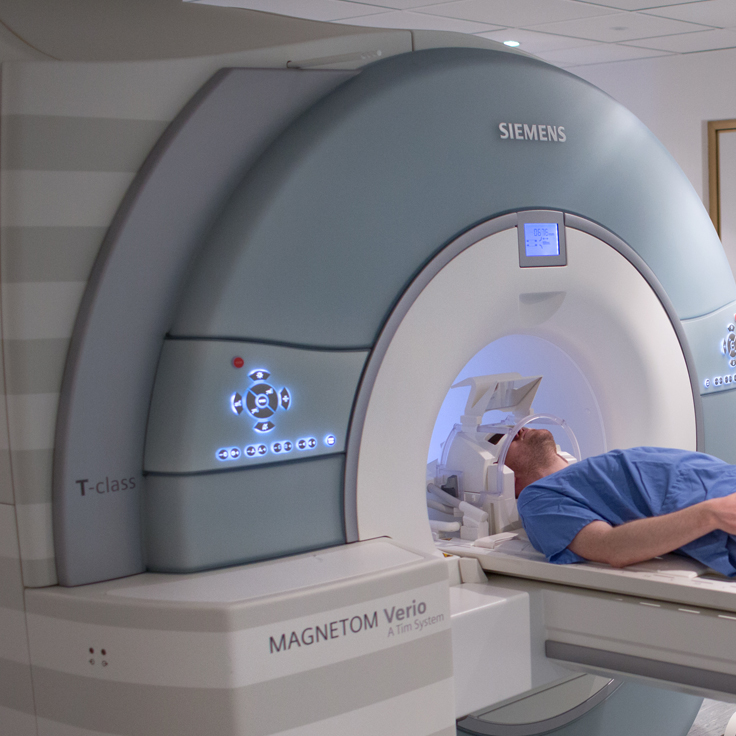
Hammersmith Hospital helps pioneer the use of magnetic resonance imaging in medicine.

1982

The first case of AIDS in the UK is identified at the Praed Street Clinic at St Mary's Hospital.

1981

Charing Cross Hospital establishes one of two centres providing a national screening service for choriocarcinoma, a rare cancer linked to pregnancy.

1983

Prof John Goldman pioneers the use of bone marrow transplants to treat chronic myeloid leukaemia at Hammersmith Hospital; over three decades, he continues to develop understanding of the condition and new treatments.

1975

Bone-marrow-transplants1

Bone-marrow-transplants2

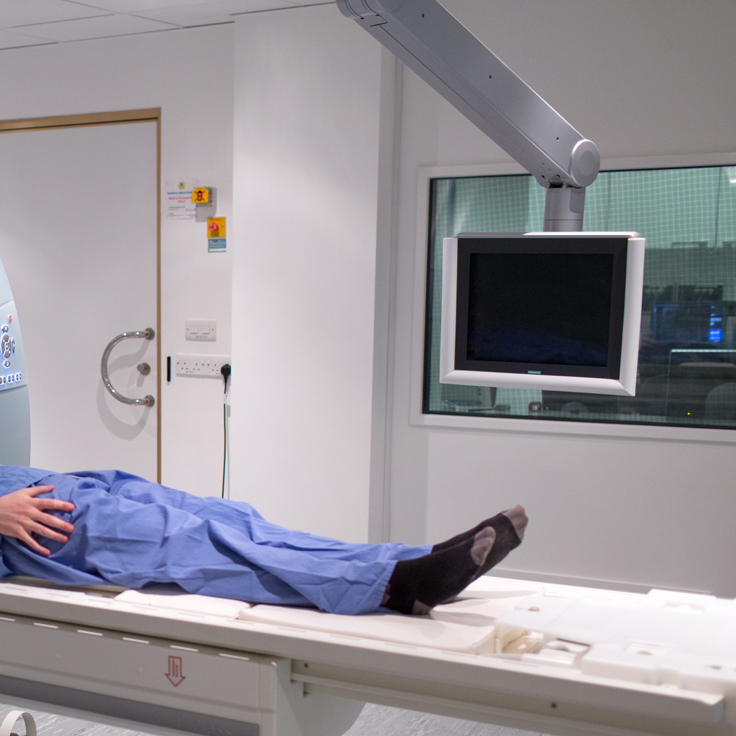
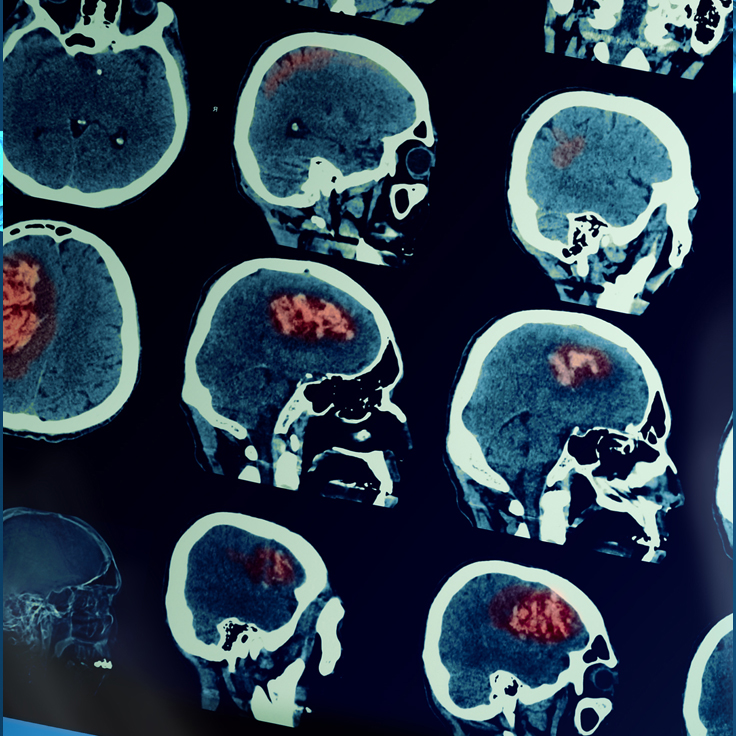
CT scans are introduced.

1970

CT scan1

CT scan2

Professor Rodney Porter

1962

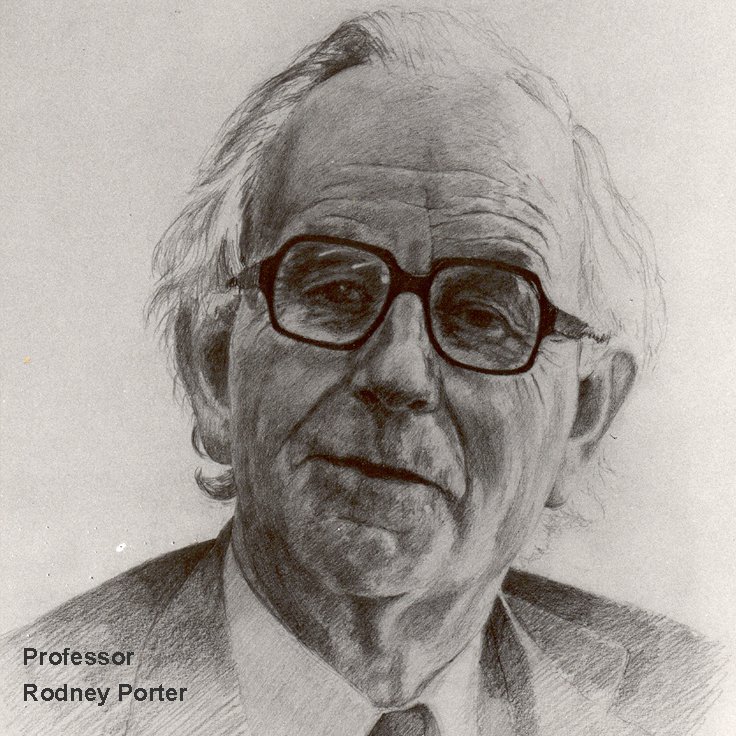
Prof Rodney Porter, working at St Mary's Hospital Medical School, discovers the 4-chain structure of antibody molecules, for which he later reveives a Nobel Prize.

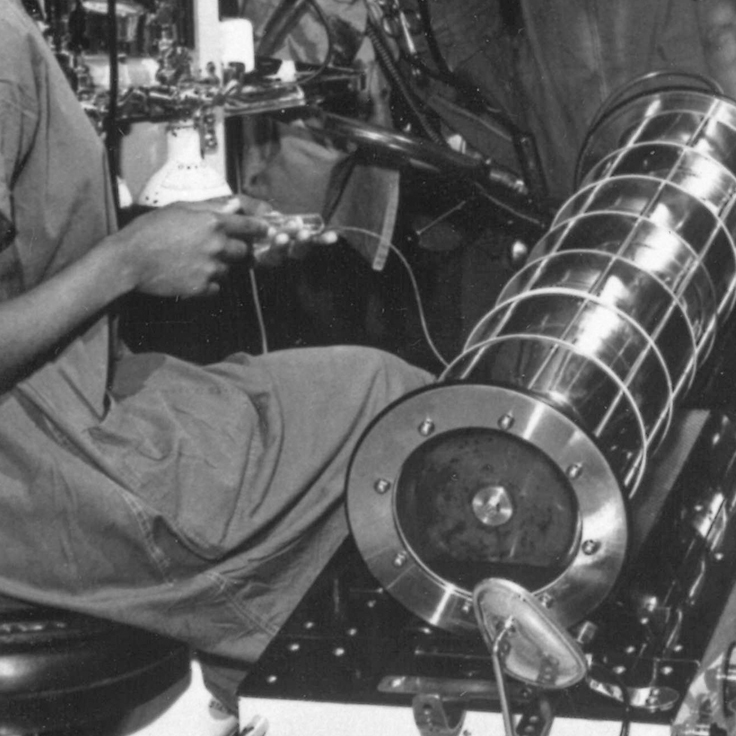
The first heart -lung machine1

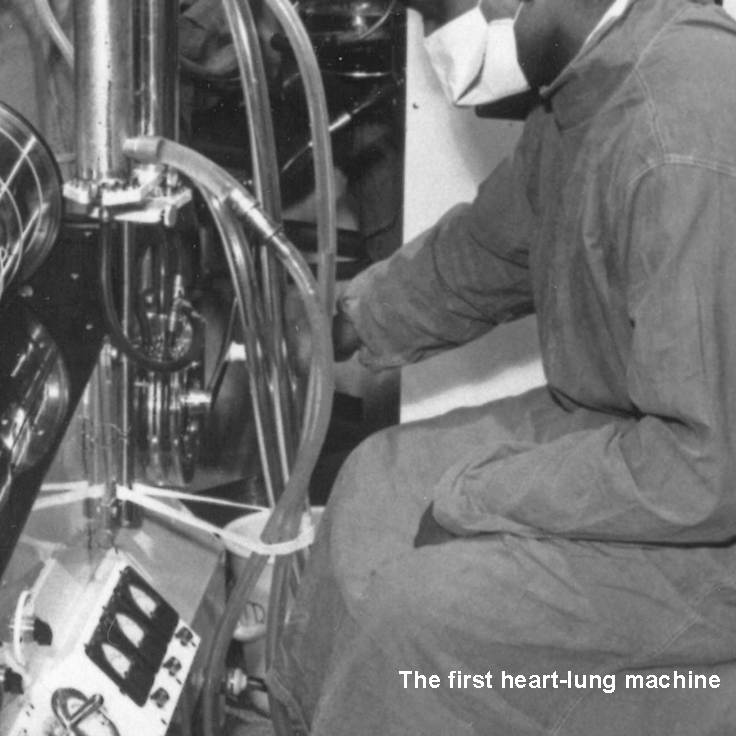
The first heart -lung machine2

UK's first successful kidney transplant takes place at Edinburgh Royal Infirmary.

1960

The first heart -lung machine3

The first heart -lung machine4

Graph1

Graph2

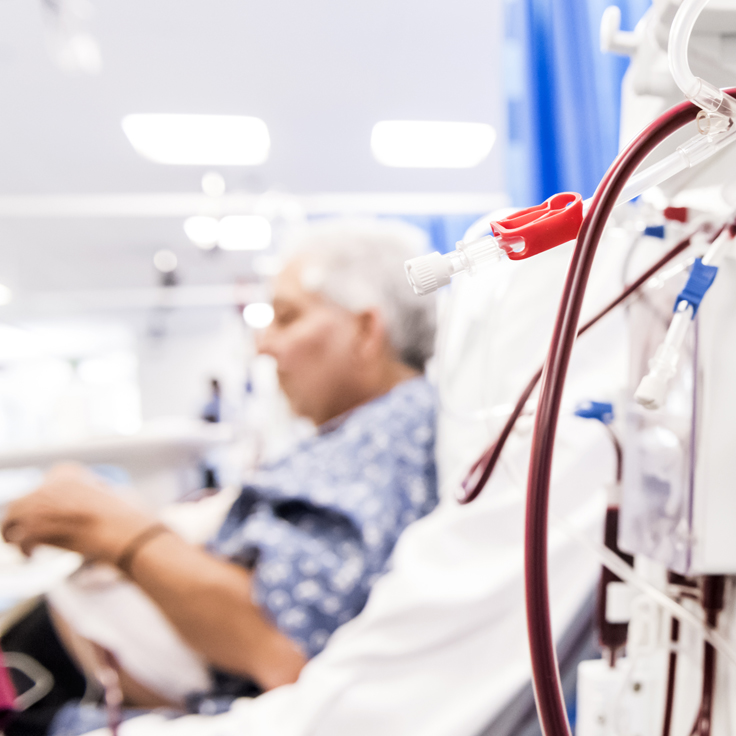
Prof Ralph Shackman establishes one of the UK's first artificial kidney units at Hammersmith Hospital and helps poineer the development of dialysis.

1956

1957

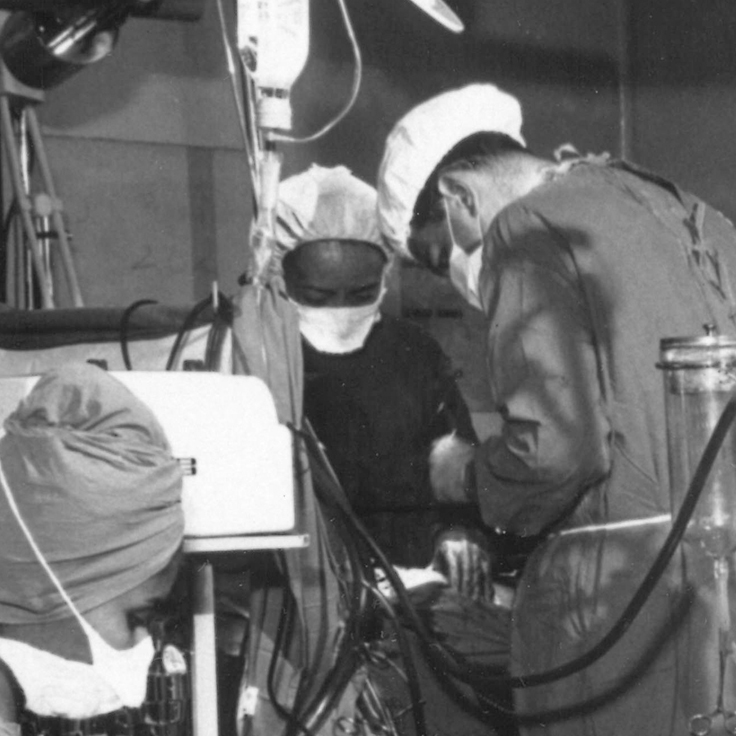
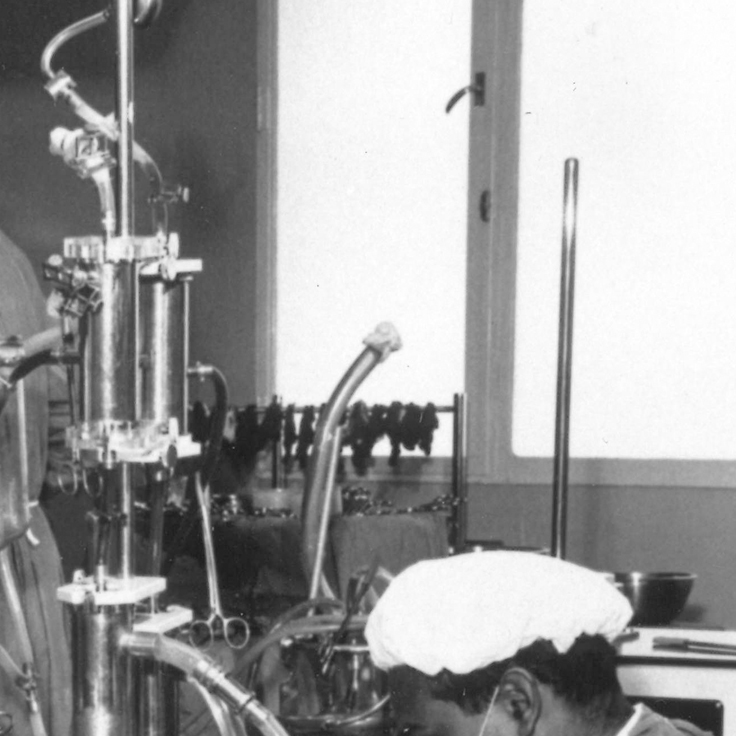
The UK's first heart-lung machine, developed by Prof Denis Melrose, is used at Hammersmith Hospital. Prof Melrose also pioneers a technique for safely stopping the heart during surgery.

Graph3

Graph4

Hammersmith Hospital becomes the first hospital in the world to have a medical cyclotron, a particle accelerator with many applications including radiotherapy and advanced imaging. 

1955

Sir Richard Doll establishes a clear link between smoking and lung cancer.

1954

Prof Francis Crisk, Rosalind Franklin and Dr James Watson discover the structure of DNA.

1953

UK's first carotid endarterectomy to prevent stroke performed by Mr HHG Eastcott at St Mary's Hospital. 

1954